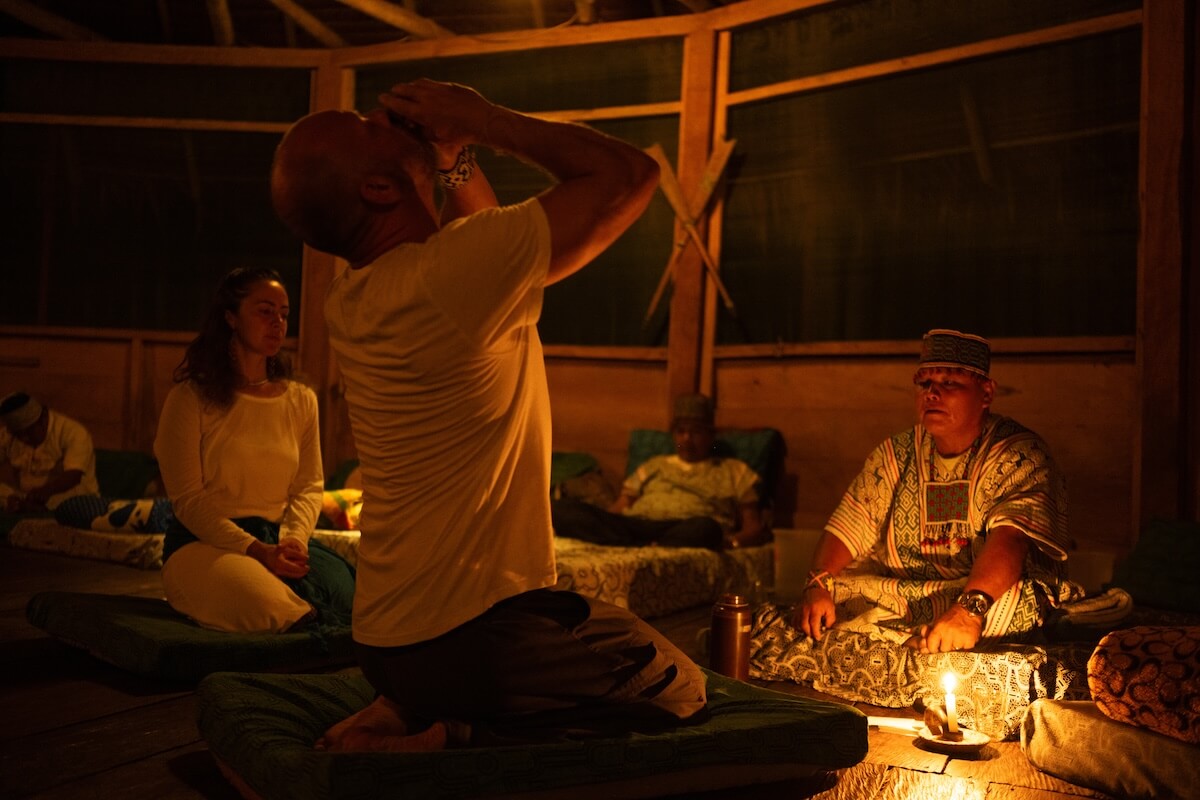
Your heart pounds as the shaman hands you a small wooden cup filled with dark liquid. The bitter taste of ayahuasca is moments away. Is it as frightening as people say?
Many first-time participants worry about the intensity of this traditional plant medicine ceremony. The unknown effects, potential purging, and facing hidden parts of yourself create natural anxiety. This article breaks down what to expect and how to prepare for your first ayahuasca experience.
Physical Sensations To Expect
The ayahuasca brew contains DMT and MAO inhibitors that produce strong physical effects. Most people notice changes within 30-45 minutes after drinking.
Common sensations include nausea, dizziness, and changes in body temperature. The infamous “purge” happens for many participants, though not everyone vomits. One participant described it as “releasing not just physical toxins but emotional baggage I’d carried for years.” The physical discomfort typically passes as the ceremony progresses.
The Psychological Experience of Ayahuasca
The mental and emotional aspects of ayahuasca often cause more concern than physical effects. The medicine can bring suppressed memories, emotions, and realizations to the surface.
A 2016 study found that many participants report confronting personal traumas and emotional patterns during ceremonies. One participant explained: “I saw connections between childhood events and my adult behaviors that I’d never noticed before. It was challenging but incredibly valuable.”
The key factor in managing the psychological intensity is surrender. Fighting the experience often increases anxiety, while accepting what arises tends to smooth the journey.
Setting and Safety Considerations
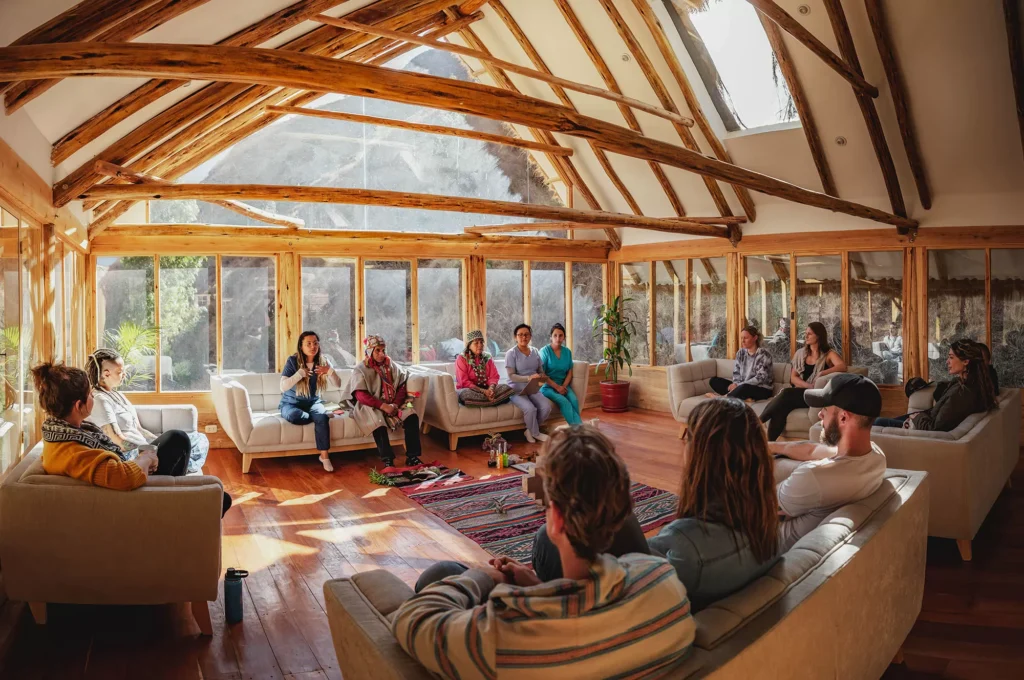
The environment and people around you significantly impact your experience. Traditional ceremonies take place in groups led by experienced shamans or facilitators.
Look for retreats with medical screening, psychological preparation, and integration support. Legitimate centers refuse participants with certain medical conditions and medications. They also provide preparation guidance, trained helpers during ceremonies, and follow-up support.
A safe physical space includes comfortable places to sit or lie down, access to bathrooms, and areas for privacy if needed. The ceremonial atmosphere might include music, singing, or periods of silence.
Common Mistakes
- Inadequate preparation: Many people underestimate the importance of dietary restrictions (avoiding certain foods, medications, and substances) in the weeks before. Follow guidelines carefully to reduce physical discomfort and maximize safety.
- Going alone or with strangers: Participating without vetting the facilitators or in unfamiliar settings increases risks. Research the retreat center, read reviews, and if possible, talk with previous participants.
- Setting specific expectations: Approaching with rigid ideas about what should happen often leads to disappointment or resistance. Each experience is unique to the individual and the moment.
Your Ayahuasca Preparation Checklist
- Research thoroughly: Read firsthand accounts, scientific studies, and information from reputable organizations about ayahuasca effects and precautions.
- Check medical compatibility: Consult with healthcare providers about any conditions or medications that might conflict with ayahuasca. SSRIs and other medications can cause dangerous interactions.
- Follow dietary guidelines (Dieta): Begin the recommended diet (typically avoiding fermented foods, aged cheeses, red meat, alcohol, and other substances) at least one week before.
- Set clear intentions: Write down why you’re participating and what questions you have, but remain open to unexpected lessons.
- Arrange support: Plan for someone trustworthy to check in with during integration and schedule free time after the ceremony for processing.
- Pack appropriately: Bring comfortable clothes in layers, a water bottle, personal items for comfort, and any requested ceremonial offerings.
- Practice meditation: Regular meditation in the weeks before helps develop the skill of observing without reacting, which proves valuable during challenging moments.
Finding Courage in Uncertainty
Fear before ayahuasca is normal and even healthy. This powerful plant medicine deserves respect. The most frightening aspects often become the most transformative.
As one participant put it: “I was terrified before my first ceremony. But now I understand that my fear was actually the beginning of the healing process. The medicine knew what I needed before I did.”
If you choose to work with ayahuasca, approach with clear intentions, proper preparation, and an open heart. The experience might be challenging, but many find the insights worth facing their fears.
What happens at a retreat?
The basic structure of sacred ceremonies at Pachamama Sanctuary are generally as follows:
- Opening Prayer – Should include a prayer to the directions and a prayer of protection;
- Serving of the Sacrament – Should include an offering of the sacrament, receipt of the sacrament, and consumption of the sacrament;
- Prayer – Should include prayers and chants in accordance with the dictates of the specific medicine man/woman or shaman conducting the ceremony.
In conjunction with the ceremonies and rituals, Pachamama Sanctuary will also hold weekly integration meetings, to assist members and participants in integrating the spiritual insights gained during the ceremony into their everyday lives. Details can be found in our What to Expect page.
Does my religion matter? Do I need to be a religious person to attend your retreats?
You do not need to be a particular religion to attend our ceremonies. We believe the Great Spirit created Pachamama, Mother Earth, and that Pachamama created all life on Earth. Please visit our Statement of Beliefs to find out more about our spirituality. Our Church Doctrine will also provide further information.
Is it scary to do Ayahuasca?
Aya is a gentle teacher. It's normal to be nervous, even for experienced ceremony attendees. We have a fully staffed facility with a number of safety and assistive measures for participants. It is extremely rare for us to work with someone who has a "bad trip" or negative experience, but in the rare instances that this has happened, we have a protocol to accommodate that is relieving and soothing to the participant.