What Is Ayahuasca and How Does It Work? A Clear, Honest Guide
June 17, 2026
•
If you’ve started reading about ayahuasca, you’ve probably noticed how quickly the conversation fills with big promises and bigger words. I’d like to offer you something simpler: a clear, honest explanation, with nothing oversold. You deserve to understand what this medicine actually is before you ever decide whether it’s for you.
I’m Derek, the founder of Pachamama Sanctuary. We hold ayahuasca ceremonies in Maine and Orlando, openly and within a recognized church, with experienced facilitators caring for every person who sits with us. I’ve watched many people come to this work full of curiosity and quiet skepticism — and I think that’s a healthy place to begin. So in this guide I’ll walk you through what ayahuasca is, how it works, and what genuinely happens in a ceremony, in plain language. My hope is that by the end you’ll feel informed rather than persuaded, and a little more at peace with your own questions.
What Is Ayahuasca, Exactly?
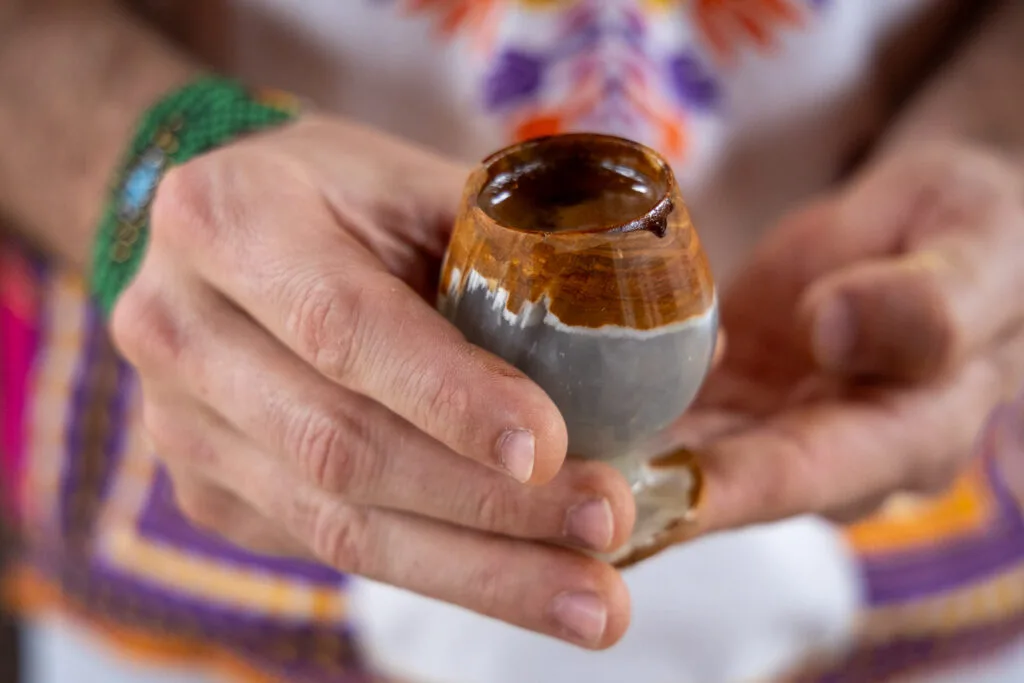
Ayahuasca is a tea. That’s the honest, unglamorous starting point. It’s a brew that Indigenous peoples of the Amazon have prepared for generations, made by combining two plants: the Banisteriopsis caapi vine and, most often, the leaves of the chacruna shrub (Psychotria viridis).
What makes ayahuasca unusual is that neither plant does the full work alone. The chacruna leaf contains DMT, a naturally occurring compound. On its own, DMT is broken down in the stomach before it can have any effect. The caapi vine contains compounds that gently and temporarily slow that breakdown, which is what allows the tea to be felt when it’s swallowed. It’s a remarkably sophisticated pairing — one that Amazonian traditions arrived at long before anyone could explain the chemistry.
In many of these traditions, and in our own community, ayahuasca isn’t treated as a recreational substance. It’s held as a sacrament — something approached with preparation, reverence, and care. That distinction matters. The same brew can be approached carelessly or sacredly, and the container you take it in shapes the entire experience. This is why we pay such close attention to how a ceremony is prepared and held — the plant may be the same everywhere, but the care around it is not.
How Does Ayahuasca Work?
Here’s the honest answer most articles skip: we don’t fully know, and anyone who claims complete certainty is overstating it. What researchers can describe is how the body responds, and what participants consistently report.
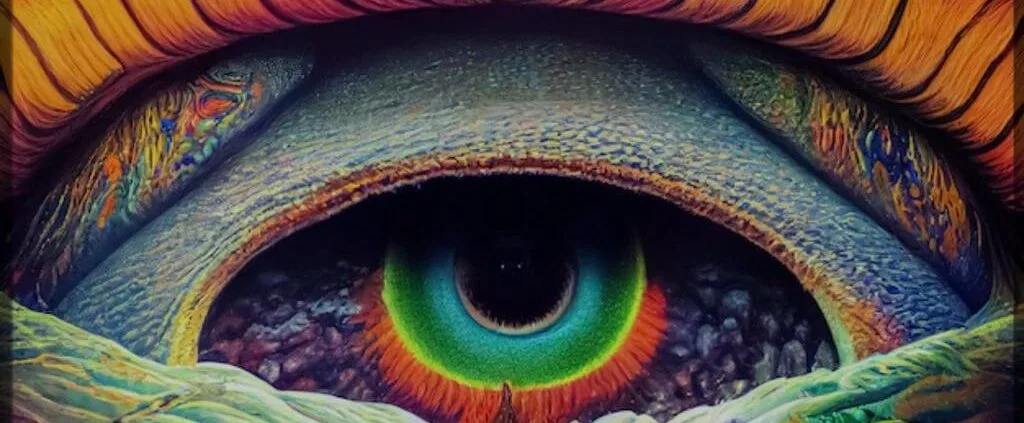
When the tea is consumed, the DMT becomes temporarily active and interacts with serotonin systems in the brain — the same chemistry involved in mood and perception. People often describe a softening of the usual mental chatter, vivid inner imagery, and a sense of seeing their own life from a wider vantage point. Emotions long held down can surface. Memories can return with surprising tenderness. Many describe it less as “hallucinating” and more as meeting themselves honestly, sometimes for the first time in years.
There’s also a physical dimension that’s worth naming plainly, because no one likes surprises here. Ayahuasca often brings on what’s called the purge — nausea, and sometimes vomiting or crying. In ceremony, this isn’t seen as a side effect to be ashamed of but as a release, a letting-go of what the body and heart have been carrying. It usually passes, and people frequently feel lighter afterward.
A growing body of early research is studying these effects with real seriousness, including work on mood and emotional processing. That science is young and the studies are small. It’s not a medical treatment, and it’s no replacement for professional care. But it points toward what we witness directly: something meaningful can happen here.
What an Ayahuasca Ceremony Is Actually Like
Understanding the plant is one thing. What people really want to know is what the night itself feels like — so let me describe it honestly.
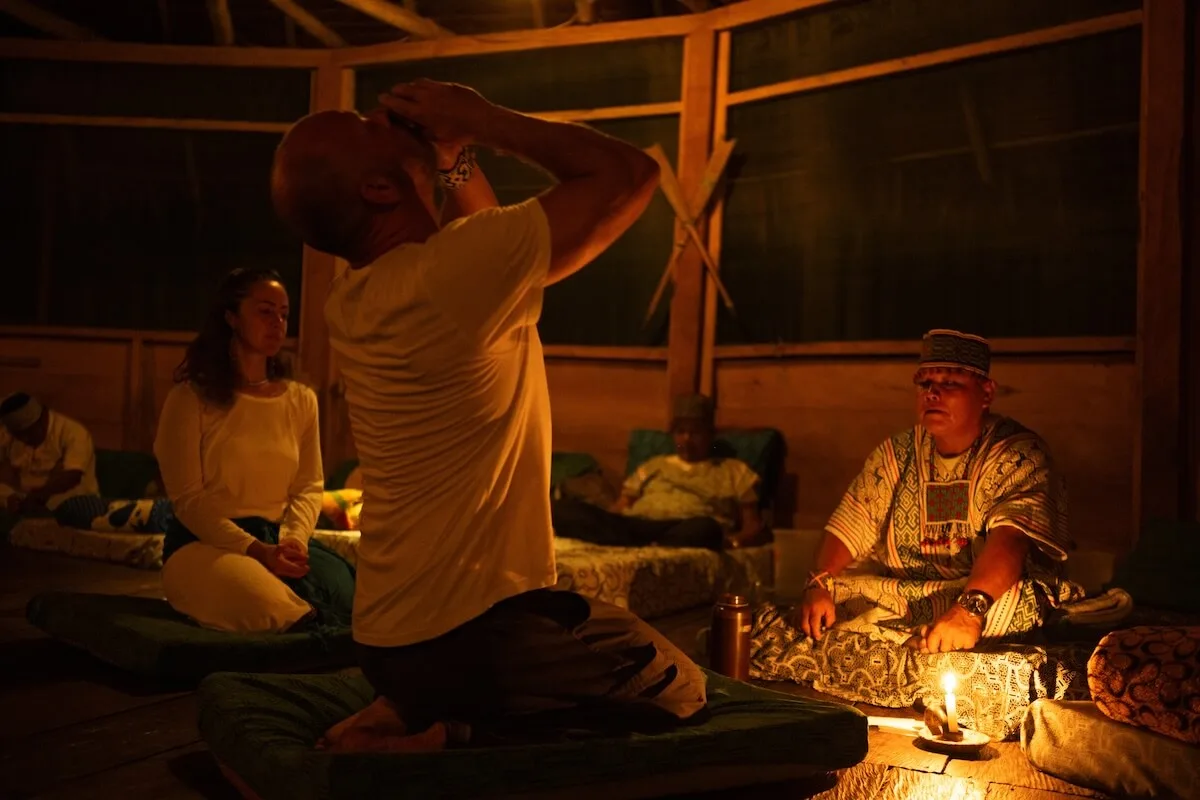
A ceremony usually takes place in the evening and lasts roughly four to eight hours. You’re not left to navigate it alone. A shaman guides the space, and trained facilitators are present the entire time, watching over each person, offering support, and holding a calm, prepared environment. Much of the night is quiet — there’s often gentle song, called icaros, and long stretches of inward stillness.
Some moments are beautiful. Some are challenging. Both are normal. What I tell every first-time guest is that you don’t have to “do” anything except stay open and trust that you’re held. You can read a fuller walk-through on our What to Expect page.
What happens after matters just as much. The insights ayahuasca offers can fade if they’re not gently woven into daily life, which is why we offer integration support — to help you carry what you’ve learned home.
Why Learn About Ayahuasca With Pachamama Sanctuary
If you’re going to explore this path, it matters who’s guiding you. We operate as a recognized ayahuasca church under federal religious protections, not a backroom operation — which means we do this work openly, with integrity and accountability.
Our ceremonies are led by experienced shamans and facilitators who carry this tradition with deep respect, and we keep our groups small so that every person is genuinely seen and cared for. We hold space in two settings — the lakes of Maine and the warmth of Orlando — with medical screening beforehand and integration support afterward. Most of all, we hold a community rooted in love and acceptance. No matter what you’ve lived through, you’ll be welcomed exactly as you are. When you feel ready to learn more, our upcoming retreats page is a gentle place to start.
Frequently Asked Questions
Is ayahuasca a drug?
Chemically, the brew contains DMT, a controlled substance. But in our community and in many Amazonian traditions, ayahuasca is approached as a sacrament rather than a recreational drug — taken with preparation, reverence, and trained guidance. The setting changes everything.
Is ayahuasca legal in the USA?
Ayahuasca is generally restricted, but recognized religious organizations can hold ceremonies under federal religious-freedom protections. Pachamama Sanctuary operates within that framework — you can read the specifics on our Church Status and Federal Compliance page.
Does ayahuasca make you hallucinate?
People often experience vivid inner imagery and strong emotions, but many describe it less as hallucinating and more as seeing their own life and feelings with unusual clarity.
How long does it last?
A ceremony typically lasts four to eight hours, usually held in the evening, with facilitators present the entire time.
Is it safe?
Ayahuasca isn’t right for everyone, and certain medications and health conditions can make it unsafe. That’s why we require medical screening before every retreat and keep experienced facilitators present throughout.
A Gentle Closing
Ayahuasca is, in the end, both simpler and more profound than the internet makes it sound: a humble Amazonian tea, held with care, that can help a person meet themselves honestly. It isn’t magic, and it isn’t a shortcut. But for many people, it becomes a doorway back to themselves.
If your curiosity is still alive after reading this, I’d gently encourage you to trust it. You can reach out with your questions or simply look at our upcoming dates and see what stirs. Whatever you decide, I’m grateful you took the time to understand rather than just believe. May you be well, and may you find your way home to yourself.
With warmth and blessings,
Derek — Founder, Pachamama Sanctuary
This article is for educational purposes and reflects our community’s spiritual practice. It is not medical advice, and ayahuasca is not a treatment for any medical or psychological condition. If you are struggling with your mental health, please also seek the support of a qualified professional.
Upcoming Retreats
Sacred Ayahuasca Retreat with Leandro
Date: December 11, 2026
Location: Orlando
Filling Quickly
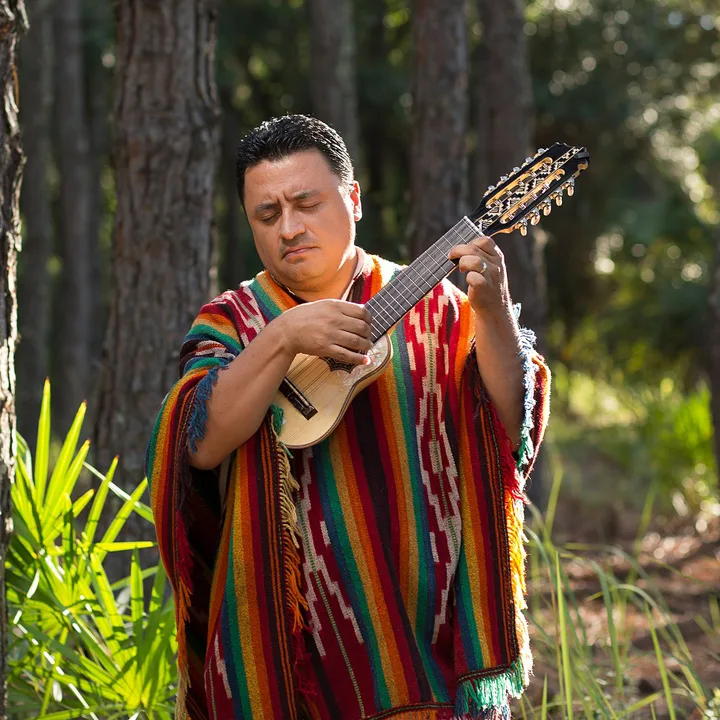
Sacred Intimate Ayahuasca Retreat with Arkawa (16 People Max)
Date: December 11, 2026
Location: Maine
Filling Quickly
Sacred Ayahuasca Retreat with Leandro
Date: December 4, 2026
Location: Maine
Filling Quickly
Have questions?
Quick Links
Plan Your Stay at Pachamama Sanctuary
Whether you are preparing for your first ayahuasca retreat or returning to deepen your spiritual practice, our accommodations are designed to help you rest, recharge, and fully embrace the retreat experience.
Spaces are limited to ensure a safe, intimate container for every participant.